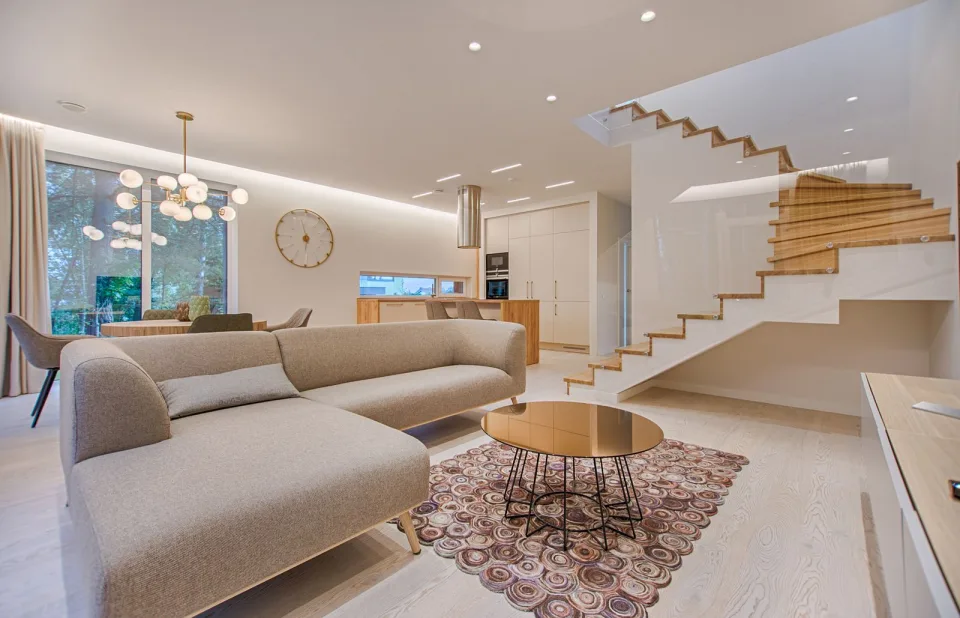
One of the biggest expenses when launching a serviced accommodation property is furnishing and equipping the space. A two-bedroom apartment can easily cost £8,000-15,000 to furnish properly if you're shopping at premium retailers. However, smart shopping and strategic choices allow you to create inviting, functional spaces that guests love on a fraction of that budget. The key is understanding which items deserve investment for durability and guest impact, and which can be sourced affordably without compromising quality. This guide walks you through a practical budget-furnishing approach that yields excellent results without excessive expenditure.
Setting Your Furnishing Budget
Before shopping, establish a realistic budget based on property size and target guest profile. A studio or one-bedroom property might reasonably furnish for £4,000-6,000. A two-bedroom for £6,000-9,000. A three-bedroom for £9,000-12,000. These budgets allow quality foundations while being mindful of capital efficiency. More importantly, establish your budget before shopping—it's easy to overspend when selecting items individually.
"The best-furnished SA properties aren't the most expensive—they're the ones where every item serves a purpose and works cohesively. Strategic curation beats indiscriminate spending."
Invest in Quality Where It Matters
The Bed is Non-Negotiable
Never cheap out on mattresses and beds. This is the single most important item affecting guest comfort and reviews. A quality mattress costs £300-500 per bed but lasts 8-10 years through 200+ guest stays. Budget £1,200-1,800 total for quality mattresses and bed frames across all bedrooms. Guests will specifically mention sleep quality in reviews—make it memorable positively.
Prioritise Durable Furniture
For main pieces (sofas, dining tables, bedroom dressers), choose durable mid-range options over budget flat-pack or premium designer pieces. Brands like Wayfair, John Lewis, and Made.com offer excellent durability at reasonable prices. Avoid ultra-cheap options that fail after 20-30 guest turnovers; focus on items lasting 5+ years of use.
Where to Find Affordable Furnishings
Online Discount Retailers
Wayfair, Amazon, Argos, and Very offer extensive furniture selections with frequent discounts. Subscribe to their newsletters for 10-20% off codes. Many items are returnable if they don't work, reducing risk. Shipping costs can be significant, so factor those into budgets.
Second-Hand and Reconditioned Items
Facebook Marketplace, Gumtree, and local council recycling centres offer quality used furniture at 30-60% discounts. Many pieces are excellent quality—people sell due to relocation or style changes, not product failure. Inspect carefully for damage and have items professionally cleaned before guest arrival. This works particularly well for less-visible items (kitchen furniture, storage).
End-of-Season Sales and Outlets
Timing purchases around sales events (January/July sales, Black Friday, Boxing Day) can cut the cost substantially. Subscribe to retailer alerts and plan furnishing during major sale events. Patient shopping saves thousands—don't rush furnishing when sales are imminent.
Creating Cohesive Style on Budget
Adopt a Consistent Colour Palette
Avoid matching everything—it looks stiff. Instead, choose 2-3 neutral base colours (white, grey, soft blue) and build everything around them. This approach allows mixing retailers and sources while maintaining cohesive aesthetic. Cohesion matters more for guest perception than individual piece expense.
Invest Strategically in Décor
A few well-chosen artwork pieces, quality cushions, and nice plants transform spaces dramatically without expense. A £50 gallery wall of prints, £100 in quality cushions, and £50 in plants create visual interest at minimal cost. These items are inexpensive to replace if damaged by guests.
Kitchen and Bathroom Smart Shopping
Kitchen Appliances and Equipment
Focus kitchen budget on essentials: quality kettle, toaster, basic cookware. Discount retailers (Dunelm, The Range, Home Bargains) offer excellent value on these items. Avoid expensive coffee machines or specialty appliances that rarely justify cost. Do include good knives and quality pans—these affect guest experience and durability significantly.
Bathroom Essentials
Quality bathroom fixtures and fittings are important but don't require expense. Focus on:
- Good shower fixtures and modern showerhead (£30-60)
- Quality bathroom mirrors and lighting (£50-100 total)
- Durable storage and towel racks (£40-80)
- Quality towels from Dunelm or similar (£30-40 for full set)
Avoiding Common Expensive Mistakes
Over-Specialised Items
Avoid expensive decorative items specific to one style or trend. A £200 statement piece that looks dated in two years is poor investment. Instead, invest in timeless neutrals that work across styles and guest preferences.
Quantity Over Quality Trade-Off
Don't buy multiple cheap items when one quality item serves better. One durable sofa is better than two cheap ones you'll replace annually. One quality coffee table beats three flimsy ones guests break.
Undershopping Accessories
Conversely, don't undersupply practical items. Adequate coat hangers, storage solutions, kitchen utensils, and bathroom accessories are inexpensive but significantly impact guest perception. A property feeling well-equipped generates better reviews and doesn't require expensive items.
The Timeline Approach
If capital is limited, furnish in phases:
- Phase 1 (Launch): Essentials only—beds, basic furniture, kitchen basics, cleaning supplies. Budget £4,000-6,000. Properties can operate with minimal furnishings.
- Phase 2 (3-6 months): Add comfort items—quality cushions, throws, artwork, plants, upgraded bathroom items. Budget £1,000-1,500.
- Phase 3 (6-12 months): Upgrade furniture, add accessories, specialise décor based on guest feedback. Budget £1,000-2,000.
This phased approach spreads capital requirements while allowing revenue from initial bookings to fund improvements. It also allows you to observe guest preferences before investing heavily in décor choices.
Maintaining Budget Furnishings
Quality furnishings require care to maintain value across guest stays:
- Protective covers for sofas and mattresses
- Regular deep cleaning between guests
- Quick replacement of damaged items to prevent guest experience degradation
- Regular inspections to catch wear before it becomes obvious
Conclusion
You can furnish attractive, functional SA properties on modest budgets through smart shopping, strategic investment in key items, and thoughtful design. The goal isn't to compete with luxury hotels through expense—it's to create inviting, well-maintained spaces where guests feel comfortable and cared for. Many guests prefer authentic, well-maintained properties to over-decorated ones. Focus on comfort, functionality, and cleanliness, and furnish thoughtfully rather than expensively. Your guests will appreciate the result, and your profit margins will reflect it.